


Cooking City: Restaurant Games
4.711.80K Reviews
App Specs
- Version
- 3.91.0.5086
- Updated On
- License
- Free
- Downloads
- 50,000,000+
- Developer
- MAGIC SEVEN CO., LIMITED
- Categories
- Arcade
- Platform
- Android, iOS
Screenshots



 Analysis by AppCompare
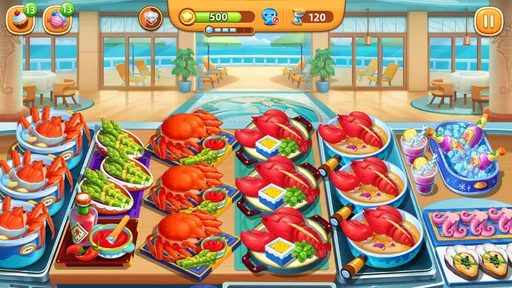
My first impression of Cooking City: Restaurant Games is that it wants to make a busy kitchen feel playful rather than stressful. Its bright look and quick order-serving loop give it the familiar appeal of an arcade game, but the challenge comes from keeping several small tasks moving at once. I found it easy to understand what to do, while still having to pay attention once orders begin to overlap.
A colorful kitchen with a clear visual language
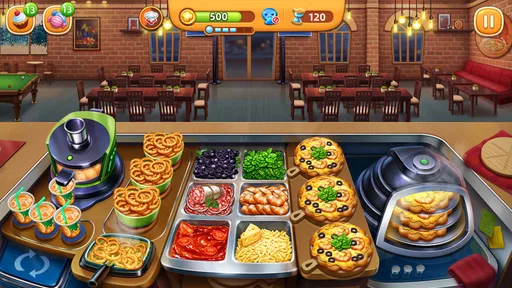
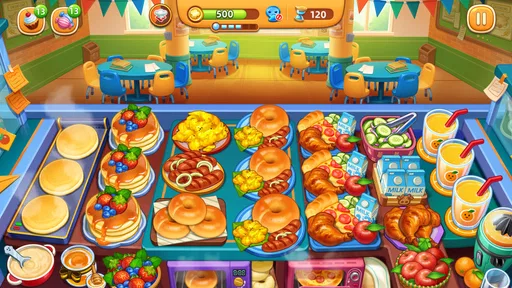
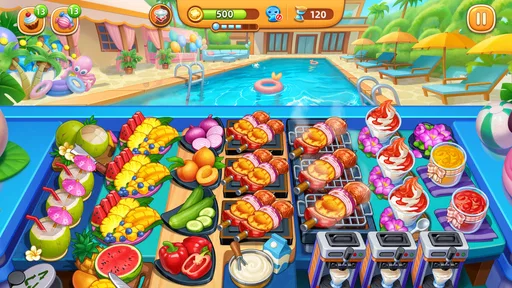
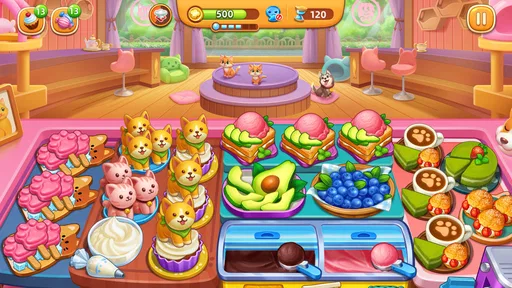
The art direction uses cheerful colors and readable food-and-kitchen imagery to keep the action legible. That matters here: when customers are waiting and more than one dish needs attention, I want to recognize what is happening at a glance instead of stopping to decode the screen. The restaurants provide a sense of variety, while the overall presentation stays light and welcoming.
The game’s setting is built around moving from one restaurant style to another, not around a deep story. I think that suits the format. The appeal is in seeing a new kitchen and adjusting to its food and workflow, rather than reading long stretches of dialogue between rounds. If you want a narrative adventure with developed characters, this is not trying to be one; if you want a colorful backdrop for short bursts of activity, it fits much better.
Sound and the feel of a busy service
Cooking games depend on rhythm, and Cooking City gets much of its energy from the cycle of preparing, watching, and serving. Each order gives you a small priority decision: finish what is nearly ready, start something that takes longer, or clear a waiting customer first. I like that the pressure comes from these choices rather than from complicated controls.
The pacing makes a quick session easy to fit into a break, though the same urgency may not be relaxing for everyone. I would pick it when I want something lively and focused, not when I am looking for a slow, peaceful game. The sound and visual bustle support that brisk mood, while the simple tap-and-drag interaction keeps the action approachable.
The Sizzle of the Game
Okay, let’s jump right into the heart of Cooking City: Restaurant Games. The game combines time management with cooking challenges, and it's set in a vibrant world of restaurants. You start small, managing a cozy diner, but as your skills grow, so does your empire. The game’s graphics are colorful and cheerful, making the cooking experience not just engaging but visually delightful.
Gameplay Mechanics
The core of the game is all about timing. Each level presents you with a stream of hungry customers and a list of orders to fulfill. You’ll have to keep an eye on cooking times and juggle multiple dishes at once. Trust me, it gets intense! But there’s something incredibly satisfying about perfectly timing the frying of a burger while simultaneously whipping up a milkshake.
Worth Reading Before You Choose

EA SPORTS FC Mobile 26 Is a Bigger Football Game, but It Takes Time

Flipboard Shows What News Apps Must Do Beyond the Feed

Switching to Android Auto Means Rethinking Your Driving Routine

Google Calendar Makes a Crowded Week Easier to Manage

Ludo King Makes the Most of the Minutes Between Plans

Baby Panda World Brings Quick Play to Modern Phones, but Its Game Library Feels Busy
The controls are intuitive, as you drag and tap to prep and serve food. The game ramps up in difficulty as you progress, introducing more complex recipes and faster-paced challenges. It's a classic "easy to learn, hard to master" scenario, which is what keeps you coming back for more.
Choosing when to act—and when to hold back
A useful habit is to scan the whole kitchen before tapping the next action. In a level with overlapping orders, immediately starting every available task can leave you with several things demanding attention together. I get better results when I notice what is already cooking, then use the next moment to prepare something that will be needed soon. That small pause is not wasted time; it helps prevent a scramble later.
It also helps to treat customer orders as a queue rather than as isolated requests. I focus first on the item that will take longest, then fit quicker actions around it, while staying alert to anything already ready to serve. This is a practical way to make the game feel less like frantic tapping and more like a compact planning puzzle. The catch is that a plan can change as fresh orders appear, so I still need to adapt rather than follow a fixed script.
A World of Culinary Delights
One of the coolest features is the variety of cuisines you get to explore. From American diners to exotic Asian street food, each restaurant offers a new set of recipes and ingredients. This keeps the game fresh and exciting as you’re constantly unlocking new locations and learning new dishes.
Plus, the thrill of upgrading your kitchen equipment adds another layer of strategy. You’ll find yourself eagerly saving up in-game currency to buy that new oven or faster blender, which makes the gameplay even more engaging.
Progress without turning every session into a project
When I only have a few minutes, I can treat a level as a self-contained challenge: learn its order flow, try to stay ahead of the waiting customers, and see how cleanly I can finish. For a longer session, moving through the restaurant progression gives the play a broader direction. That flexibility is one reason this arcade format works well on a phone; it can be a quick distraction without requiring a long story recap when I return.
Kitchen upgrades create a useful decision point. Rather than spending currency as soon as it appears, I would pay attention to the part of the workflow that is actually slowing me down. If I keep falling behind on an item that takes time to prepare, improving the relevant equipment may help more than upgrading something I rarely use. The trade-off is that progression can make it tempting to chase improvements instead of simply enjoying the level, so I prefer to treat upgrades as a way to smooth play, not as the only goal.
Where it sits among arcade cooking games
Compared with a slower restaurant-management game, this is much more about immediate decisions than long-term planning: the fun is in handling orders as they arrive, not building a detailed business simulation. Compared with a very simple tapping game, there is more to keep track of because cooking times, customer requests, and several dishes can compete for attention. That middle ground is its strength, although players who dislike time pressure may prefer a puzzle or management game that lets them think without a service clock pressing on them.
It is a good fit for someone who enjoys short, skill-based rounds and the satisfaction of improving through practice. It is less suited to a player who wants realistic cooking instruction, an open-ended creative kitchen, or a calm game with no urgency. The food theme is the setting for the challenge; success depends more on prioritizing and timing than on learning real recipes.
Who will enjoy the pace—and who may not
I would recommend it to casual players who like clear goals, quick feedback, and a gradual increase in pressure. It can also suit someone who enjoys replaying a level to handle its order sequence more smoothly. A realistic moment for it is a short wait before an appointment: I can play a round, put the phone away, and return later without needing to remember a complicated plot.
On the other hand, if a hectic screen makes you tense, the same brisk service that gives the game its energy may become tiring. It is also not my pick when I want a game that rewards wandering around or experimenting without a target. Knowing that distinction helps set expectations: the pleasure is in meeting a clear demand under time pressure, not in inventing your own menu or taking as long as you like.
Practical questions before you start
Cooking City is free to download, and it is rated for Everyone, so it is accessible as a casual game for a broad audience. It is made by MAGIC SEVEN CO., LIMITED, has a 4.7 average from around 650,000 ratings, and has passed 50 million installs. It first arrived on March 24, 2019, and the current version is 3.85.0.5086; Android support starts at version 6.0.
There are in-app purchases, with individual items ranging from $0.99 to $164.99. I would go in expecting the core appeal to be the quick kitchen challenges, not assuming that every progression step has to be bought. If you are deciding whether to spend, first see whether you enjoy the repeated timing-and-prioritizing loop; purchases make little sense if that central rhythm is not fun for you.
If you are wondering whether it works for brief play, its short-level pacing makes that a natural use, though a demanding round still asks for attention while it is underway. If you want to know whether it is mainly a management sim, I would say no: it has progression and kitchen improvements, but the moment-to-moment focus is serving orders. And if you are choosing between this and a slower alternative, pick this when you want action and replayable timing challenges; choose the slower option when relaxation or open-ended planning matters more.
Why You’ll Keep Coming Back
So, what makes Cooking City so addictive? For one, the game’s pacing is just right. Levels are short enough to play on a quick break, but challenging enough to keep you hooked. There’s also a rewarding sense of progression as you level up and unlock new features.
The social element is another big draw. You can connect with friends, compete in cooking challenges, and even exchange tips. There’s a lively community around the game that adds to its charm.
Atmosphere verdict
For me, the strongest part of the experience is how its upbeat look and brisk service fit together: the kitchens feel inviting, while the overlapping tasks supply enough pressure to make each round engaging. I would not call it a restful game, and its repeated focus on timing will not suit everyone. But if you like a bright arcade game that asks you to think quickly without burying you in complicated controls, it is an easy one to try. The free entry makes that first test straightforward, while the purchase range is worth keeping in mind if you prefer to avoid optional spending.
Final Thoughts
All in all, Cooking City: Restaurant Games is a delightful mix of strategy, speed, and creativity. Whether you’re a casual player looking for a fun distraction or a competitive gamer aiming for high scores, this game has something for everyone. It’s a flavorful experience that I can’t recommend enough. So, grab your virtual apron and get cooking!
Pros
- Engaging gameplay with varied challenges.
- Stunning graphics enhance the cooking experience.
- Frequent updates with new levels and items.
- Easy to learn
- hard to master dynamics.
- Offline mode available for on-the-go fun.
Cons
- In-app purchases can be expensive.
- Ads can interrupt gameplay frequently.
- Progression may become repetitive over time.
- Requires steady internet for certain features.
- Limited energy restricts extended play sessions.
FAQs for Cooking City: Restaurant Games
What is Cooking City: Restaurant Games about?
Cooking City: Restaurant Games is a fast-paced time management game where players can experience the excitement of running their own restaurant. Players can cook and serve a variety of dishes, upgrade their kitchen equipment, and explore different cities around the world. The game offers a blend of strategy and quick reflexes to keep customers happy.
Is Cooking City free to play?
Yes, Cooking City: Restaurant Games is free to download and play. However, the game offers in-app purchases that can enhance gameplay by providing additional resources, such as coins and diamonds, to upgrade equipment or unlock new levels. Players can choose to play without making purchases, but it may require more time and effort to progress.
What platforms is Cooking City available on?
Cooking City: Restaurant Games is available on both Android and iOS platforms. You can download the game from the Google Play Store for Android devices and the Apple App Store for iOS devices. Make sure your device meets the minimum system requirements for an optimal gaming experience.
Does Cooking City require an internet connection?
Cooking City can be played offline, allowing players to enjoy the game without a constant internet connection. However, some features, such as in-app purchases and leaderboards, may require an internet connection to function properly. Playing online also ensures that your progress is saved to the cloud.
How can I save my progress in Cooking City?
To save your progress in Cooking City, it is recommended to connect the game to your Facebook account. This not only backs up your game data but also allows you to sync your progress across multiple devices. If you switch devices or need to reinstall the game, logging in with your connected account will restore your saved progress.


